| Products/Services Used | Details | Operation |
|---|---|---|
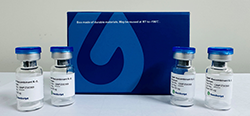
| Peptide Synthesis | selected AMP candidates following antimicrobial susceptibility testing (AST) in vitro. Candidate antimicrobial peptides were synthesized and purchased from Genscript. AST, and MIC/MBC determination was performed as outlined by the Clinical and Laboratory Standards Institute (CLSI) [ 40 ], with modification as recommended viability counts from the final inoculum were examined to confirm the target bacterial density was obtained. Selected candidate AMPs were purchased from Genscript (Piscataway, NJ), where they were synthesized using the vendor s Flexpeptide platform. Lyophilized peptides were suspended in sterile ultrapure water peptides were suspended in sterile ultrapure water or filter-sterilized 0.2% acetic acid as recommended by solubility testing reports provided with the GenScript synthesis. AMPs were diluted from 2560 to 5 g/mL by a two-fold serial dilution in a 96-well polypropylene microtitre plate before 100 l of the standardized susceptibility testing (AST) in vitro. This is a supplementary table to Table 3 . Candidate antimicrobial peptides were synthesized and purchased from Genscript. AST, and MIC/MBC determination was performed as outlined by the Clinical and Laboratory Standards Institute (CLSI), with modification as recommended | Get A Quote |
Background Antibiotic resistance is a growing global health concern prompting researchers to seek alternatives to conventional antibiotics. Antimicrobial peptides (AMPs) are attracting attention again as therapeutic agents with promising utility in this domain, and using in silico methods to discover novel AMPs is a strategy that is gaining interest. Such methods can sift through large volumes of candidate sequences and reduce lab screening costs.Results Here we introduce AMPlify, an attentive deep learning model for AMP prediction, and demonstrate its utility in prioritizing peptide sequences derived from the Rana [Lithobates] catesbeiana (bullfrog) genome. We tested the bioactivity of our predicted peptides a... More