登录
| 注册
用户中心
积分兑换
退出
中文
英文
日文
联系我们
首页
试剂服务
特色服务
分子生物学服务
突变和文库构建服务
IVT mRNA合成服务
核酸服务
多肽服务
CRISPR/Cas9基因编辑
蛋白服务
抗体服务
细胞工程
基因合成
全新升级
基因到质粒全流程服务
New!
定制化mRNA合成服务
EasyEdit sgRNA合成服务
小核酸药开发服务
多肽服务
高通量重组抗体表达一站式服务
定制酶开发与商业化生产
New!
基因合成服务
全新升级
PCR克隆及亚克隆
ORF克隆
质粒制备服务
全新升级
基因到质粒全流程服务
New!
IVT mRNA服务
New!
GenCircle dsDNA合成服务
定点突变服务
基因突变文库服务
精准突变文库服务
高通量DNA文库构建服务
高通量定点突变服务
定制化mRNA合成服务
快速mRNA合成服务
高质量mRNA,环状RNA,LNP等现货产品
New
环状RNA合成服务
New
自扩增RNA合成服务
New
LNP包装服务
New
靶向脂质纳米颗粒(LNP)制剂服务
New
Ready-Edit LNP制剂服务
New
常规引物合成
化学合成RNA服务
Up to 266 nt
小核酸药开发服务
New!
siRNA 3保1合成服务
沉默效率≥75%
qPCR探针合成
NGS引物/整体方案
大规模寡核苷酸合成服务
Trimer引物合成服务
多肽合成
多肽产品
Hot!
快速多肽合成
多肽文库构建
新生抗原肽服务
多肽药物开发服务
大规模多肽合成
GLP-1类似物新药CMC服务
New!
OmniGuide RNA合成服务
Hot!
HDR基因敲入模板
CRISPR基因敲入优化试剂盒
gRNA 质粒构建
CRISPR文库
GenCRISPR基因组编辑服务
GenCRISPR™微生物基因组改造
CRISPR/Cas基因编辑酶
New!
重组抗体服务
哺乳动物细胞蛋白表达
TurboCHO™ 双特异性抗体表达
无细胞蛋白表达系统
New!
原核蛋白表达系统
杆状病毒-昆虫细胞表达服务
病毒包装&细胞系开发
大规模蛋白表达服务
其他蛋白服务
单克隆抗体定制
兔单克隆抗体定制
多克隆抗体定制
抗独特型抗体制备服务
特定抗体服务
慢病毒包装服务
全新升级
CellPower™细胞系开发服务
GenCRISPR基因编辑细胞系服务
OmniGuide RNA在线订购
基因合成服务
基因元件组合文库
siRNA 3保1合成服务
沉默效率≥75%
化学多肽合成服务
OmniGuide RNA在线订购
BacPower™定制化原核蛋白表达服务
单克隆抗体定制服务
慢病毒包装服务
产品
产品类型
解决方案
产品商城
全新升级
资源下载
技术支持
实验室仪器
实验室自动化纯化系统
蛋白和抗体纯化
蛋白电泳与印迹
细胞分选与激活
重组蛋白
抗体产品
稳定细胞系
ELISA试剂盒
分子生物学
体外诊断原料
细胞治疗产品解决方案
抗体药产品解决方案
疫苗领域产品解决方案
基因治疗产品解决方案
全部产品
快速订购
订购指南
促销活动
产品手册及资料下载
资源中心
产品搜索
客户文献
实验方案及电子说明书
联系我们
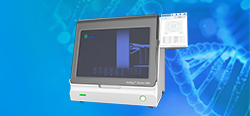
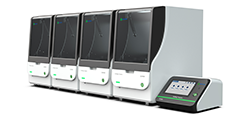
AmMag™ Quatro 1300全自动蛋白/抗体磁珠纯化系统
New!
CytoSinct™ 1000 细胞分选仪 & 管路
Hot!
AmMag™ Quatro 1100全自动小型磁珠纯化系统
Hot!
AmMag™ Quatro 1400全自动多功能磁珠纯化系统
eBlot™ 快速湿转仪
Hot!
eStain
®
L1蛋白染色仪
eZwest™ 全自动蛋白印迹系统
GenBox™ 电泳槽
电泳仪电源
AmMag™ Quatro 1400 全自动多功能磁珠纯化系统
Hot!
AmMag™ Quatro 1100 全自动多功能小型磁珠纯化系统
Hot!
AmMag™ Quatro 1300 全自动蛋白/抗体磁珠纯化系统
New!
亲和纯化磁珠
内毒素检测与去除
AmMag™ Quatro 1300全自动蛋白/抗体磁珠纯化系统
New!
StrepCaptureXP高纯度蛋白纯化工具
Hot!
亲和层析介质
亲和纯化磁珠
His标签蛋白纯化
抗体纯化
内毒素去除&检测
DYKDDDDK标签蛋白纯化
Hot!
耐碱Protien A 磁珠
SurePAGE™ 蛋白预制胶
Hot!
YoungPAGE™ 蛋白预制胶
New!
eBlot™ 快速湿转仪
Hot!
eStain
®
L1蛋白染色仪
Hot!
eZwest™ 全自动蛋白印迹系统
蛋白Marker
GenBox™ 电泳槽
电泳仪电源
New!
GMP级别细胞分选和激活
Hot!
CytoSinct™ 细胞分选磁珠
Enceed™ 细胞激活试剂
Hot!
CytoSinct™ 分选柱 & 磁力架
Hot!
CytoSinct™ 1000 细胞分选仪 & 管路
纳米磁珠定制化平台
New!
靶点蛋白
细胞因子
生长因子
切标签工具酶
病毒相关研究产品
无细胞蛋白表达试剂盒
New!
标签抗体
Hot!
Anti-VHH Antibody
Hot!
Anti-scFv Antibody
Hot!
抗独特型抗体
Hot!
Anti-AAV抗体
Anti-CD抗体
Anti-Payload抗体
Hot!
一抗
二抗
GPCR稳定细胞
Hot!
Fc受体细胞系
报告基因细胞系
ADC靶点稳定细胞系
Hot!
细胞系相关试剂盒
免疫检查点稳定细胞系
药物代谢试剂盒
病毒载体质控试剂盒
-- 慢病毒滴度p24试剂盒
Hot!
-- MuLV滴度p30检测试剂盒
New!
-- AAV滴度衣壳蛋白ELISA试剂盒
工艺残留质控试剂盒
-- T7 RNA Polymerase ELISA试剂盒
New!
-- BSA ELISA试剂盒
-- Cas9 ELISA试剂盒
New!
-- 蛋白A ELISA试剂盒
New!
-- His标签蛋白检测&纯化
-- dsRNA ELISA试剂盒
New!
AmMag™ Quatro 1400全自动多功能磁珠纯化系统
Hot!
AmMag™ Quatro 1100全自动小型磁珠纯化系统
Hot!
PCR试剂
全能核酸酶
GenBuilder™高效无缝克隆
BE/PE 核酸酶
New!
Cas9核酸酶产品目录
GMP级别Cas9蛋白
新冠病毒诊断原料
骨代谢
心脑血管疾病类
肿瘤标志物
炎症类
激素类
传染性疾病类
阿尔兹海默症
免疫组化
其它
早期研发
CMC-生产
CMC-质量控制
非临床/临床研究
早期研发
CMC
临床相关研究
早期研发
CMC-生产
CMC-质控
早期研发
CMC-生产
CMC-质控
全自动蛋白/抗体纯化系统
快速订购
全自动多功能磁珠纯化系统
全自动蛋白/抗体纯化系统
全自动蛋白/抗体纯化系统
蛋白预制胶
CytoSinct™ 1000 细胞分选仪 & 管路
靶点蛋白
Anti-VHH抗体
稳定细胞系
P24检测试剂盒
全自动多功能磁珠纯化系统
快速订购
应用领域
应用解决方案
细胞治疗解决方案
New!
基因治疗解决方案
New!
抗体药解决方案
New!
疫苗开发解决方案
New!
体外诊断解决方案
New!
疫苗开发解决方案
活动&资源
金斯瑞生命科学
研究资助计划
Hot!
优惠促销
技术资源中心
在线工具
学习中心
会展信息
参考文献库
科研资讯分享
客户活动
Hot!
其它
金斯瑞生命科学研究资助计划
Hot!
服务优惠活动
产品优惠活动
基因资源中心
基因编辑资源中心
引物资源中心
多肽资源中心
蛋白资源中心
抗体资源中心
产品资源中心
分子生物学工具
多肽常用工具
蛋白常用工具
电子出版物
网络研讨会
手册
公司新闻
常见问题解答/FAQ
产品文档
外部展会
主办方会议
客户发表文献
文献解读
新闻文章
SynBio Insights
行业洞察
发文章有奖活动
推荐有礼
客户感言
GenSpark 积分计划
隐私条款
服务协议
代理商信息
金秋臻礼来袭,邀友同享好礼
合成生物学资源中心
分子生物学工具
电子出版物
全球精准医疗(中国)峰会
发文章有奖活动
推荐有礼
隐私条款
关于我们
业务领域
公司治理
管理团队
可持续发展
投资者关系
人才招聘
企业文化
金斯瑞商业道德行为准则
业务领域
公司治理
管理团队
绿色发展
价值共创
责任治理
ESG报告与资源
投资者关系日历
财务信息及推介材料
分析师覆盖
公告及通函
新闻动态
人才招聘
企业文化
金斯瑞商业道德行为准则
金斯瑞信息安全
业务领域
公司治理
管理团队
可持续发展
投资者关系
人才招聘
企业文化
金斯瑞商业道德行为准则
登录
用户中心
退出
注册
在线订购
Frequent requests
Your request is too frequent,
please try again later